When you receive a Hypoxic-Ischemic Encephalopathy (HIE) diagnosis for your child, you encounter two different stressors concurrently where you process acute grief over the outcome you least expected while simultaneously preparing for the possibility of long-term caregiving. HIE is traumatic and “wait and see” does little to ease the anxiety, confusion and hurt that follows the diagnosis.
I recently spoke to a mum new to the HIE journey and I vividly remembered my own early days as a HIE mum. Over time, I have been in denial, overly optimistic, vigilant watcher, comparison seeker, the present focused survivor and everything in between.
Parents and guardians cope in different ways and those coping styles can change over time. We share these reflections so that parents, caregivers and families in the HIE journey can identify where they are, nod in agreement and maybe, laugh a little. Wherever you are in your journey, Together for HIE is here to walk alongside you.
1) The Griever/Processor-Copes through Emotional Processing
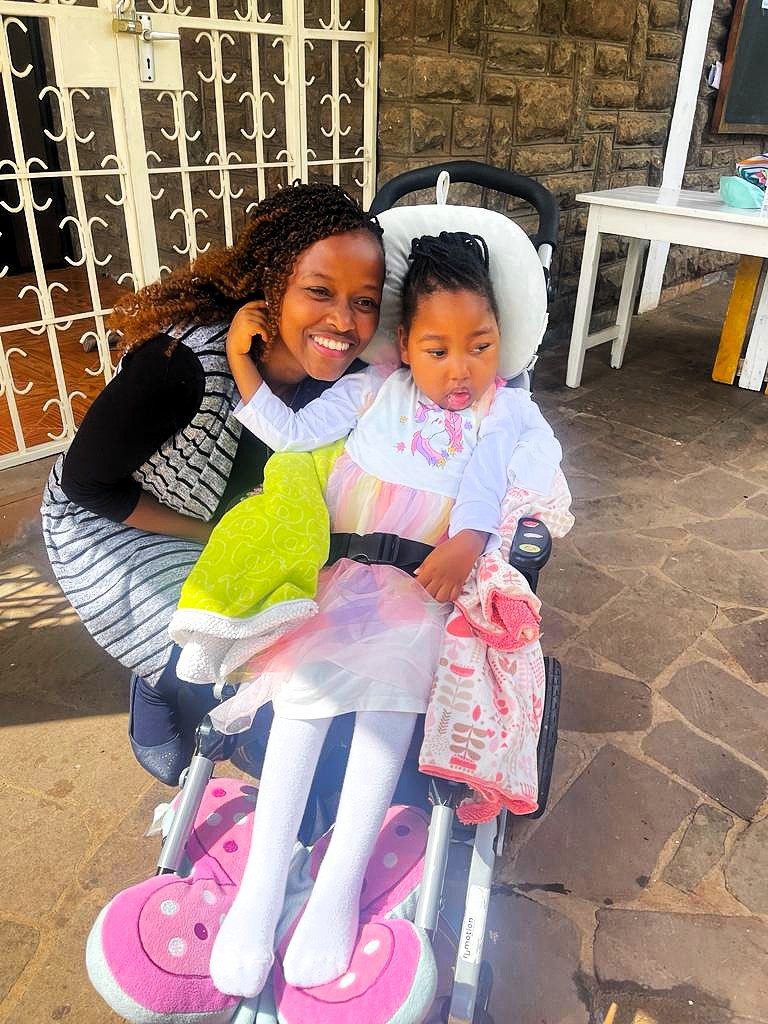
I remember looking through our apartment window, watching children play as I changed my daughter’s diapers. Tears would come as questions ran through my mind, ‘will she walk, talk, play?’ I cried every day of my maternity leave grieving the child I expected while whole heartedly loving the child I have.
If this sounds familiar, your grief is not unfounded, your need to grieve the “expected” child before accepting uncertainties and the new normal is valid. Acknowledge your situation, name the grief, mourn openly and process your emotions. It is important to note that others around you may not validate your grief as they may not feel it deeply as you do. Not out of lack of empathy, but because they haven’t walked in your shoes. Sign up for peer support or join a HIE community where you will feel heard and learn from others who have walked a similar journey.
2) The Avoider/Distancer: Copes through emotional suppression
This is characterized by limiting exposure to any reminders (support groups, therapies, follow-up appointments and even the diagnosis itself. You cope through emotional suppression or compartmentalization. While this is not alarming in the short term, it is linked to delayed processing.
After our NICU discharge, I wanted to shove my daughter’s birth history behind me and live like nothing happened.
As red flags surfaced in her tone, vision and movements, I distanced myself from everyone. I avoided visits, ignored calls from friends and hardly allowed our nanny to stay with our daughter. I felt trapped always having to put up a face and act like she was developing neuro typically. I was exhausted and sad until I faced the diagnosis and shared it openly. That brought liberation, allowing me to advocate for her better, pursue her wellbeing and love her freely.
If you are in this phase, it is okay to limit exposure when you need to function. Try to re-engage in small, low- pressure doses (a text, a short-call). If taking the first step feels too heavy, ask someone you trust to help you.
3) The Hypervigilant Monitor: Coping through constant scanning
Rooted in the fear that something crucial might have been missed during labour and delivery, this phase is characterized by constantly scanning for suspicious movements, seizure activity, regression or missed milestone. Closely tied to the Comparison Seeker, you constantly weigh your child’s progress against neurotypical peers or other HIE children, searching for a predictable trajectory to anchor onto. Hypervigilance keeps you trapped in an endless loop between anxiety and comparison, making it difficult to enjoy the present moment.
Always remember that HIE has a spectrum of outcomes and no two children have the exact same outcome. Lean on reliable, evidence-based information so you know when to seek help without getting consumed waiting for possible delays and issues that may never surface.
4) The Meaning Maker: Copes through faith, purpose or reframing
You reframe the experience through faith, purpose or “this has changed my life for the better”. This is a common coping mechanism even in challenges outside HIE where we are inclined to see the good that the pain has brought.
The HIE journey has the potential to bring a lot of good where families realize that pain and joy can co-exist and that hope still holds despite the outcomes. A child can speak volumes without speech and accomplish much good without mobility. Miracles can happen and despite a child having a rough start, they can beat odds and hit their milestones.
To the parents in this space, reframing pain through faith or purpose is a vital source of strength but it should never be used to bypass unresolved grief. Keep finding your ‘why’ (purpose, growth, faith) and ensure that it leaves room for hard days such that meaning and grief coexist.
5) The Advocate/Warrior: Copes by channeling anxiety into action
You research on the specific challenges your child may present with, therapies and treatment plans that work. You desire control in your child’s treatment through information and effort. While this is a great coping mechanism, it may lead to burnout or difficulty resting even when things are stable.
Earlier in our journey, I found myself combative when dealing with my daughter’s medical providers. Instead of seeing them as partners in my daughter’s care, I questioned every decision.
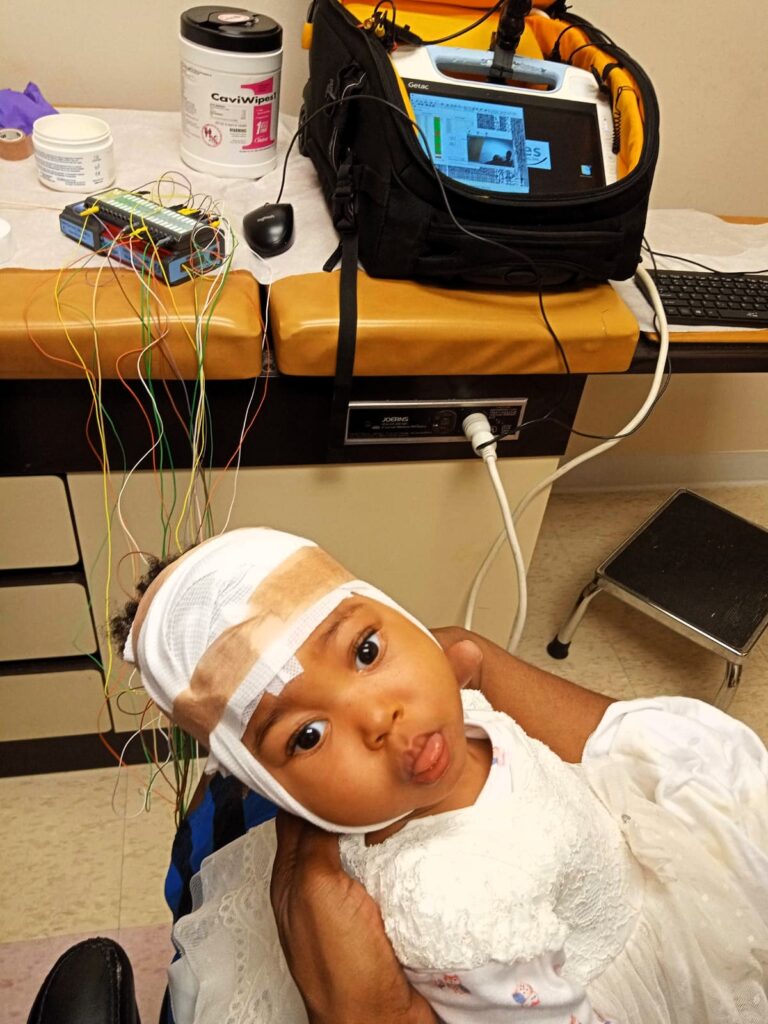
Thankfully, the specialists and medical providers were gracious and probably understood I was just a mother trying to cope with a healthcare system that had already gravely failed her once.
If you are in this space, learn to approach your care team as a partner, not a foe. Question constructively and raise concerns when you feel unheard. Remember to schedule moments of rest, as advocacy needs it to be sustainable. Also identify your patterns, do you research to solve a problem or to avoid sitting with a feeling? Both are valid, but name which it is.
6) The Pragmatist: Copes through being problem focused and task oriented
This is characterized by treating caregiving as a logistics problem. You have your schedules, equipment and therapy calendars figured out. This may seem like coping well but it can mask deeply unaddressed emotional needs.
Earlier on, I thought I was doing well. We had regular occupational therapy, frequent visits with our pediatrician and neurologist and our routines were running smoothly. However, during one of our monthly check-ups, our daughter’s pediatrician asked how I was coping as a special needs mum. Hearing that phrase for the first time made me zone out completely. While he kept talking, those words rang in my mind, and I realized I was still a long way from healing. I had accepted the diagnosis, but I had not processed the emotion.
Please note that your organization is a real strength to your child’s care, but build in regular moments to pause and ask yourself, “How am I actually feeling today?” It is okay to ask for help even when you look like you have it all under control.
Parting Shot
Remember that flexibility helps most. Shifting between different coping mechanisms as situations change rather than staying locked into one is better for your long-term wellbeing than staying locked into one.
You do not have to have everything figured out. Hope lives in the journey, and Together for HIE is here to walk right alongside you.
By: Julie Ndung’u